Crop Production Technology
Modern agricultural, technological and entrepreneurial skills for sustainable, digital farming.
Program presentation
Higher education in Crop Production equips students with modern agricultural, technological and entrepreneurial skills. Career opportunities span government, agribusiness, NGOs, and research, with strong prospects in sustainable agriculture, agribusiness, and digital agriculture.
Key features
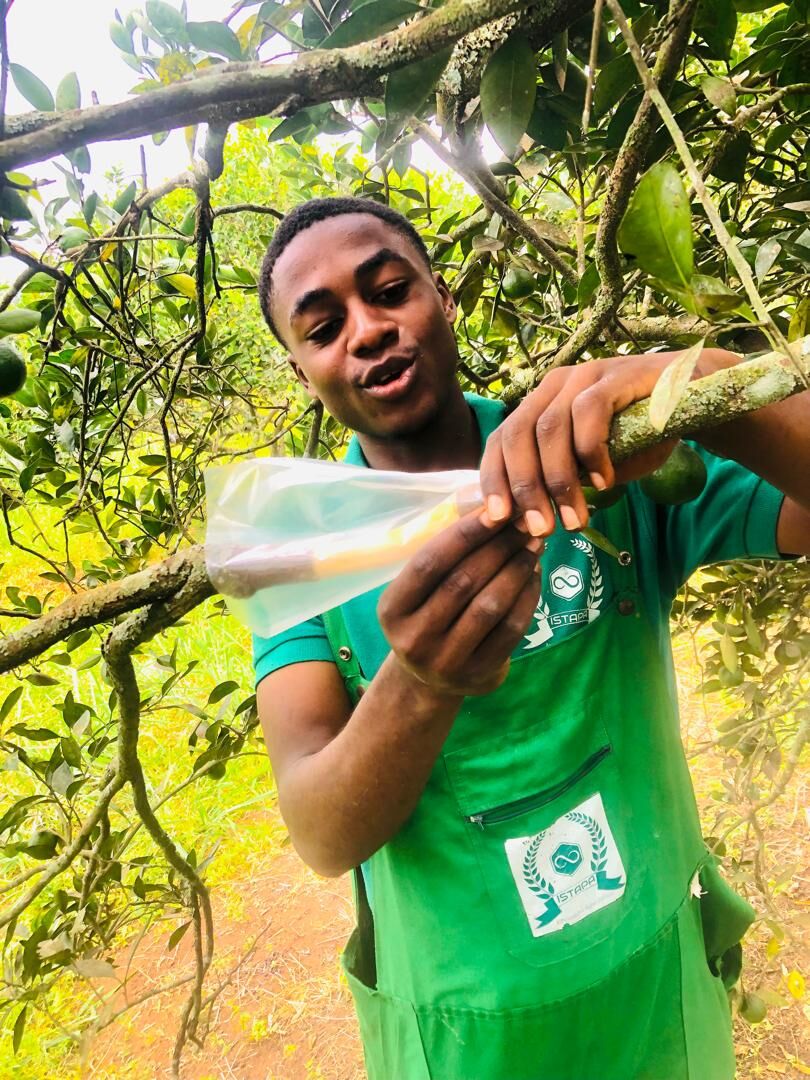
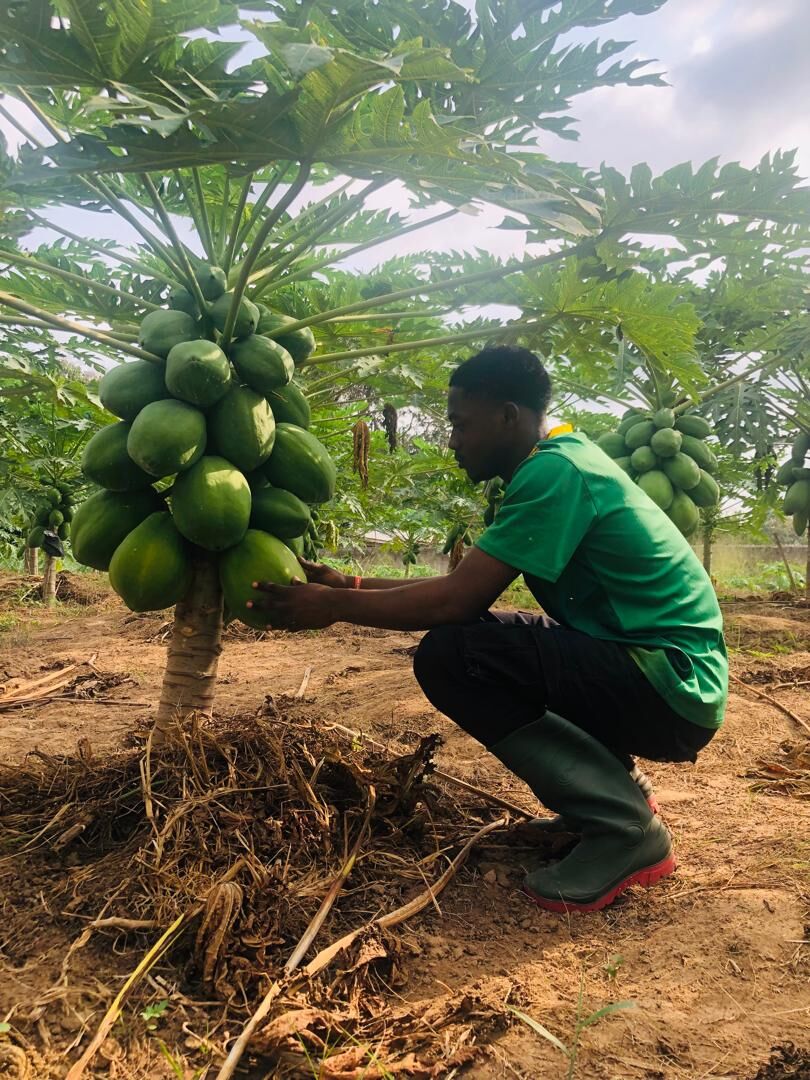
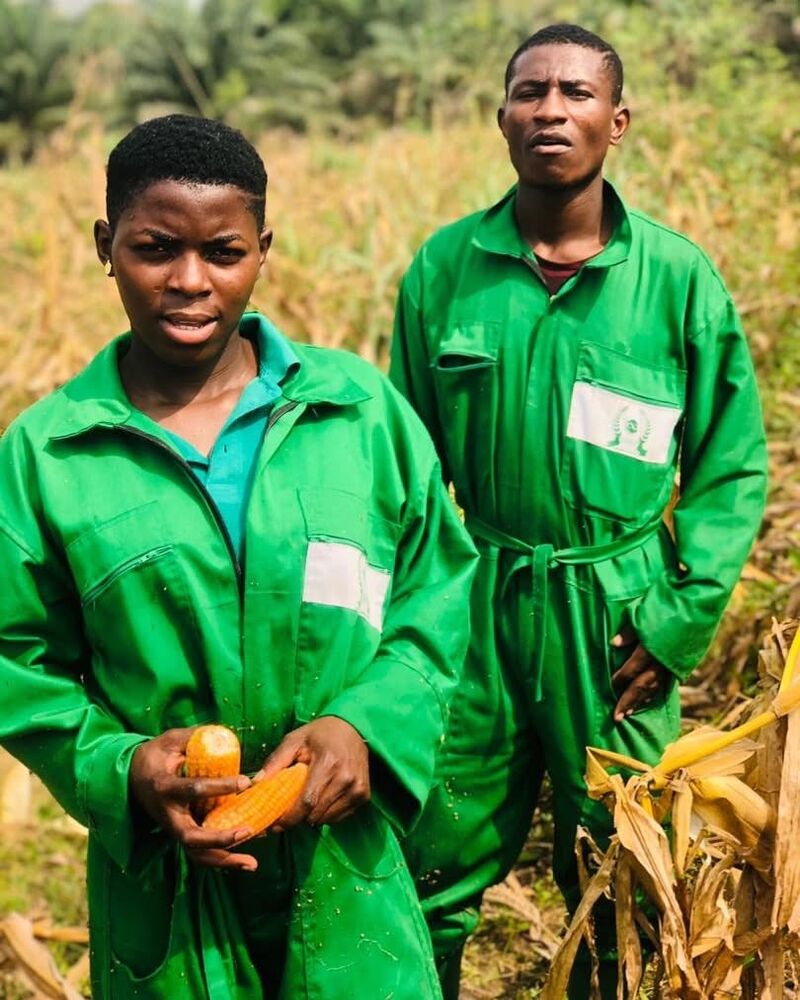
- Practical orientation: strong emphasis on fieldwork, experimental farms, and internships in agricultural enterprises.
- Research-oriented: universities run experimental stations on maize, cassava, cocoa, coffee, horticultural crops, etc.
- Technological integration: training in mechanization, irrigation systems, and biotechnology.
- Sustainable orientation: climate-smart agriculture, organic farming and conservation practices.
Program content
Career opportunities
Where our graduates work after this program:
Public sector
Ministry of Agriculture and Rural Development (MINADER), IRAD (Agricultural Research Institute for Development), Municipalities.
Private sector
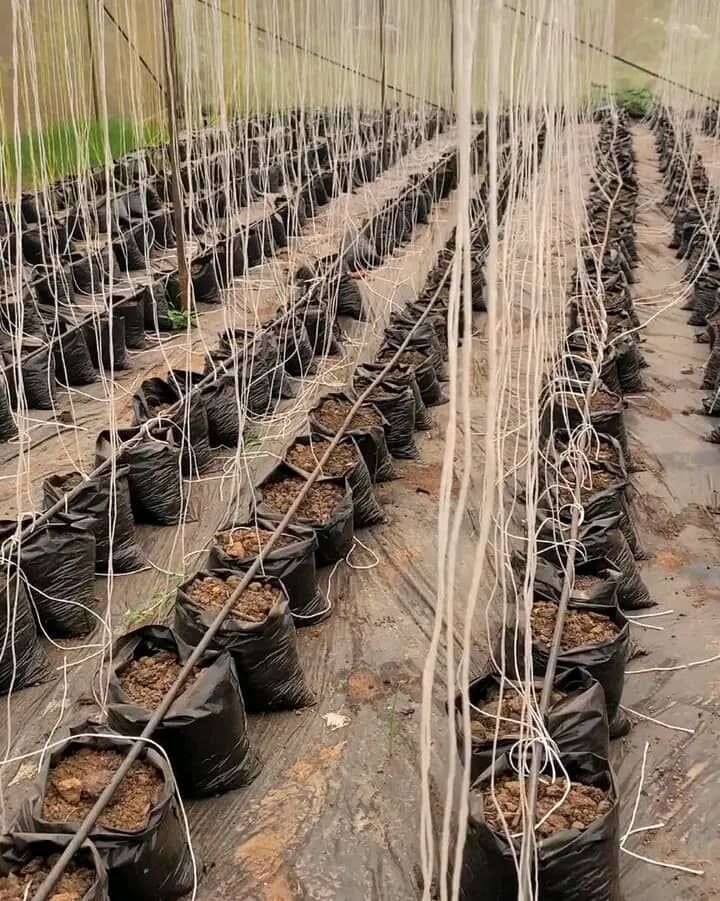
Agri-food startups, horticulture, greenhouse agriculture and mechanized crop production, agro-industrial companies, seed and agrochemical companies.
NGOs & International Organizations
FAO, GIZ, World Bank, IFAD, NGOs promoting sustainable agriculture and climate resilience.
Academy & Research
Teaching and research positions in universities and agricultural colleges, PhD study opportunities in crop science, biotechnology, and sustainable agriculture.
Sector outlook
- 1Cameroonian agriculture employs more than 60% of the population, making agricultural production technologies central to national development.
- 2Growing demand for climate-friendly agriculture and precision agriculture.
- 3Expansion of agri-food entrepreneurship in horticulture, seed production and agri-food processing.
- 4Solid prospects in digital agriculture (GIS, drones, AI) for crop monitoring.
- 5Opportunities in export-oriented crops (cocoa, coffee, banana, fruit trees, horticulture) and food-secure crops (cassava, maize, rice).